
🎮เล่นเกม VR ให้สมจริงกว่าเดิม ด้วยอุปกรณ์เสริมที่เปลี่ยนทุกประสบการณ์
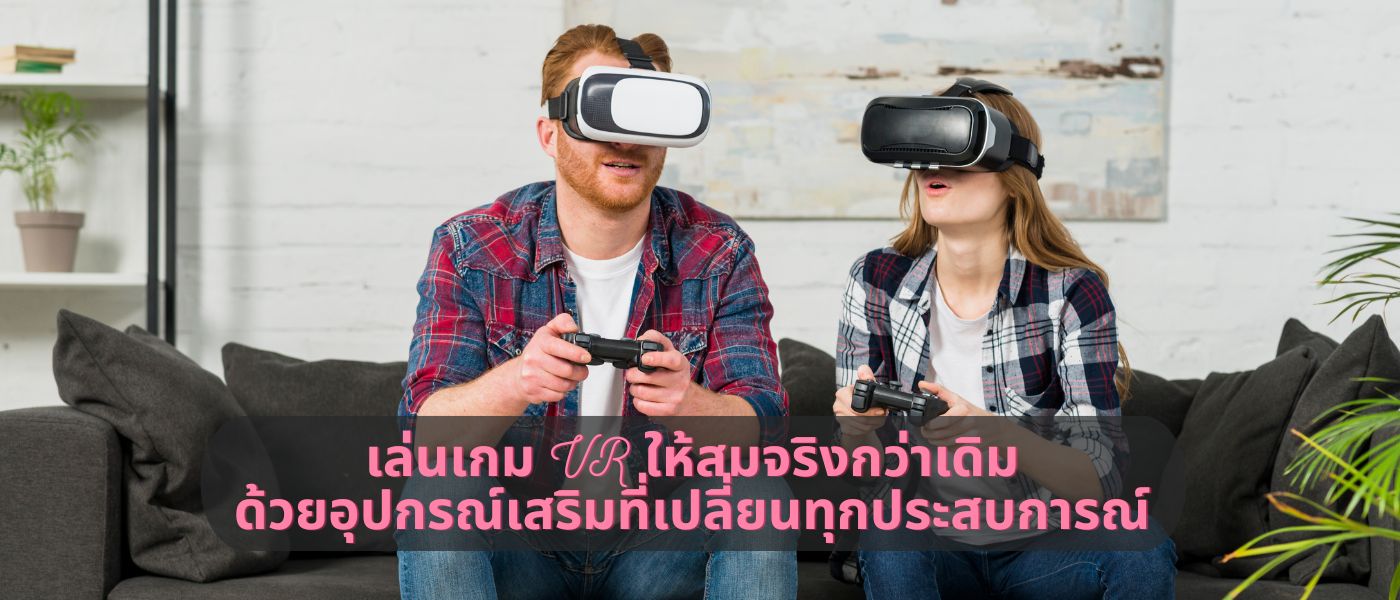
ปัจจุบันเทคโนโลยี Virtual Reality เข้ามาเปลี่ยนวงการเกมอย่างสิ้นเชิง ใครที่เคยเล่นเกม VR แล้วจะรู้สึกทันทีว่าความสมจริงของภาพ เสียง และการเคลื่อนไหว สามารถดึงเราเข้าไปอยู่ในโลกเสมือนได้อย่างน่าทึ่ง แต่ถ้าอยากให้ประสบการณ์นั้นสมบูรณ์แบบมากขึ้น แค่ชุดหูฟัง VR อย่างเดียวอาจยังไม่พอ
บทความนี้จะพาทุกคนไปรู้จักอุปกรณ์เสริมสำหรับเล่นเกม VR ตั้งแต่ตัวควบคุม เสื้อกั๊กสัมผัสแรงสะท้อน ถุงมือ VR แผ่นรองวิ่ง ไปจนถึงอุปกรณ์เสียงและฐานชาร์จ พร้อมบอกวิธีเลือกซื้อ วิธีใช้งาน ข้อควรระวัง และตอบคำถามที่พบบ่อย ครบจบในหน้าเดียว
🌿 ทำไมอุปกรณ์เสริมถึงสำคัญเมื่อเล่นเกม VR
การเล่นเกม VR ด้วยชุดหูฟังเพียงอย่างเดียวก็สนุกอยู่แล้ว แต่ร่างกายของเรารับรู้โลกผ่านประสาทสัมผัสหลายทาง ทั้งตา หู มือ และแม้แต่แรงกระแทก การเพิ่มอุปกรณ์เสริมเข้าไปจึงช่วยเติมเต็มช่องว่างที่ชุดหูฟังทำไม่ได้
🧩ประเภทของอุปกรณ์เสริมสำหรับเล่นเกม VR ที่ควรรู้จัก
ตลาดอุปกรณ์เสริม VR เติบโตอย่างรวดเร็ว มีสินค้าหลายหมวดหมู่ให้เลือก ด้านล่างนี้คือประเภทหลักที่ได้รับความนิยมมากที่สุด
🎮 คอนโทรลเลอร์และอุปกรณ์ควบคุมสำหรับเล่นเกม VR
คอนโทรลเลอร์ VR คืออุปกรณ์ที่ใช้ถือในมือเพื่อสั่งงานภายในเกม ตัวควบคุมรุ่นใหม่มักมีเซ็นเซอร์ตรวจจับการเคลื่อนไหวของนิ้ว ทำให้กำมือ ชี้ หรือคว้าสิ่งของในเกมได้อย่างเป็นธรรมชาติ เกมเมอร์หลายคนเลือกอัปเกรดจากคอนโทรลเลอร์มาตรฐานเป็นรุ่นที่มีฟังก์ชันพิเศษ เช่น ปืนจำลองสำหรับเกมยิง หรือพวงมาลัยจำลองสำหรับเกมแข่งรถ
⚡เสื้อกั๊กสัมผัสแรงสะท้อน Haptic Vest ยกระดับการเล่นเกม VR
Haptic Vest หรือเสื้อกั๊กสัมผัสแรงสะท้อน คือเสื้อที่ฝังมอเตอร์สั่นไว้ตามจุดต่าง ๆ ของลำตัว เมื่อตัวละครในเกมโดนยิง ถูกชน หรือรู้สึกลม มอเตอร์จะสั่นตำแหน่งที่ตรงกัน ทำให้รู้สึกเสมือนจริง สินค้ายอดนิยมในหมวดนี้ เช่น bHaptics TactSuit และ Woojer Vest Edge
การใส่เสื้อกั๊กแรงสะท้อนขณะเล่นเกม VR ช่วยให้อิน ลึกซึ้งขึ้นโดยเฉพาะในเกมแนว Survival Horror และ FPS เพราะทุกแรงกระแทกจะสะท้อนมาที่ร่างกายจริง ๆ
🖐️ ถุงมือ VR Haptic Gloves สัมผัสทุกพื้นผิวในเล่นเกม VR
ถุงมือ VR เป็นอุปกรณ์ที่ช่วยให้มือของผู้เล่นรับรู้แรงต้านและพื้นผิวของวัตถุในโลกเสมือน บางรุ่นมีกลไก Exoskeleton เล็ก ๆ ที่ล็อกนิ้วเมื่อจับวัตถุ ทำให้รู้สึกเหมือนจับของจริง ถุงมือ VR ที่เป็นที่รู้จัก ได้แก่ Manus Prime 3 และ SenseGlove Nova ซึ่งใช้ทั้งในวงการเกมและอุตสาหกรรม
🏃 แผ่นรองวิ่งและอุปกรณ์เคลื่อนไหวร่างกายขณะเล่นเกม VR
VR Treadmill หรือแผ่นรองวิ่งสำหรับ VR เป็นอุปกรณ์ที่ทำให้ผู้เล่นเดิน วิ่ง และหมุนตัวได้ 360 องศาโดยไม่ต้องเคลื่อนที่จากจุดเดิม ช่วยแก้ปัญหาพื้นที่จำกัดและลดอาการ Motion Sickness ได้ดี รุ่นที่เป็นที่นิยม เช่น KAT Walk C2 และ Virtuix Omni One
นอกจากแผ่นรองวิ่ง ยังมีอุปกรณ์ Tracker ติดตามร่างกาย เช่น VIVE Ultimate Tracker ที่ติดที่เอว ขา และเท้า ทำให้เกมจับการเคลื่อนไหวของร่างกายส่วนล่างได้ เหมาะกับเกมเต้นและกีฬา
🎧 หูฟังและอุปกรณ์เสียงรอบทิศทางสำหรับเล่นเกม VR
เสียงเป็นองค์ประกอบสำคัญของ VR ชุดหูฟังที่รองรับ Spatial Audio จะทำให้ได้ยินเสียงจากทิศทางที่ถูกต้องตามตำแหน่งในเกม เช่น เสียงฝีเท้าด้านหลัง เสียงกระสุนวิ่งผ่านหู สิ่งนี้ช่วยเพิ่มทั้งความสนุกและความได้เปรียบในการเล่น หูฟังแนะนำ เช่น Valve Index Speakers, Logitech G Pro X และ Audeze Maxwell ที่รองรับ Spatial Audio
🧠 สายรัดศีรษะและผ้าปิดหน้าเพื่อความสบายในการเล่นเกม VR
สายรัดศีรษะและผ้าปิดหน้าเพื่อความสบายในการเล่นเกม VR ชุดหูฟัง VR มีน้ำหนัก การใส่นาน ๆ ทำให้หน้าและศีรษะล้า สายรัดศีรษะรุ่น Elite Strap หรือ BOBOVR M2 Pro ช่วยกระจายน้ำหนักไปที่ท้ายทอย ลดแรงกดที่หน้าผาก ส่วนผ้าปิดหน้าซิลิโคนซับเหงื่อได้ดีกว่าโฟม ถอดล้างง่าย เหมาะกับคนที่เล่นนาน ๆ หรือเล่นเกมออกกำลังกาย
ฐานชาร์จและแบตเตอรี่สำรองเล่นเกม VR ได้ต่อเนื่องไม่สะดุด
ปัญหาที่หลายคนเจอคือแบตหมดกลางเกม ฐานชาร์จเฉพาะทางช่วยให้วางชุดหูฟังและคอนโทรลเลอร์ได้อย่างเป็นระเบียบ พร้อมชาร์จให้เต็มอัตโนมัติ บางรุ่นยังมีแบตเตอรี่เสริมติดที่สายรัดศีรษะ เพิ่มเวลาเล่นได้ 2-3 ชั่วโมงโดยไม่ต้องหยุด
🛒วิธีเลือกซื้ออุปกรณ์เสริมสำหรับเล่นเกม VR ให้คุ้มค่า
ด้วยอุปกรณ์เสริมที่มีหลายประเภทและหลายราคา การเลือกซื้อให้ตรงความต้องการจึงสำคัญมาก ลองพิจารณาปัจจัยเหล่านี้ก่อนตัดสินใจ
- ความเข้ากันได้กับชุดหูฟัง ตรวจสอบว่าอุปกรณ์รองรับชุดหูฟังที่ใช้อยู่หรือไม่ เช่น Meta Quest 3, PlayStation VR2, Valve Index หรือ HTC VIVE เพราะบางอุปกรณ์ออกแบบมาเฉพาะรุ่น
- ประเภทเกมที่เล่นเป็นประจำ ถ้าเล่นเกมยิงเป็นหลัก ปืนจำลองและเสื้อกั๊กสัมผัสจะคุ้มค่า ถ้าเล่นเกมออกกำลังกาย แผ่นรองวิ่งและ Tracker ร่างกายน่าสนใจกว่า
- งบประมาณ เริ่มจากอุปกรณ์ที่จำเป็นก่อน เช่น สายรัดศีรษะและผ้าปิดหน้า แล้วค่อยเพิ่มอุปกรณ์ขั้นสูงอย่างถุงมือหรือเสื้อกั๊กทีหลัง
- พื้นที่การเล่น แผ่นรองวิ่งต้องการพื้นที่เพิ่ม ตรวจสอบขนาดก่อนซื้อ ส่วนอุปกรณ์เล็ก ๆ อย่าง Tracker หรือถุงมือใช้ได้ในพื้นที่จำกัด
- รีวิวจากผู้ใช้จริง อ่านรีวิวจากชุมชน VR ทั้งในไทยและต่างประเทศ เพราะสินค้าบางตัวอาจดูดีในโฆษณาแต่ใช้งานจริงไม่เหมาะกับทุกคน
⚙️วิธีตั้งค่าและใช้งานอุปกรณ์เสริมเมื่อเล่นเกม VR
หลังจากได้อุปกรณ์เสริมมาแล้ว ขั้นตอนการตั้งค่ามักไม่ยุ่งยาก แต่มีจุดที่ต้องใส่ใจเพื่อให้ได้ประสิทธิภาพเต็มที่
จับคู่และทดสอบ เชื่อมต่ออุปกรณ์กับชุดหูฟังหรือ PC ผ่าน Bluetooth หรือ Dongle ทดสอบในเกมง่าย ๆ ก่อนเข้าเกมจริง เพื่อปรับตั้งค่าความไวและโซนสัมผัส
⚠️ ข้อควรระวังและข้อผิดพลาดที่พบบ่อยเมื่อเล่นเกม VR กับอุปกรณ์เสริม
แม้อุปกรณ์เสริมจะช่วยยกระดับประสบการณ์ แต่การใช้งานผิดวิธีอาจทำให้เสียเงินเปล่าหรือเกิดปัญหาตามมา ข้อผิดพลาดที่พบบ่อยมีดังนี้
ไม่เตรียมพื้นที่ การเล่นเกม VR กับอุปกรณ์เสริมอย่างแผ่นรองวิ่งหรือปืนจำลอง ต้องมีพื้นที่ว่างเพียงพอ ไม่งั้นอาจชนเฟอร์นิเจอร์หรือทำของเสียหาย
💰เปรียบเทียบราคาอุปกรณ์เสริมสำหรับเล่นเกม VR ยอดนิยม
ราคาอุปกรณ์เสริม VR มีตั้งแต่หลักร้อยไปจนถึงหลักหมื่นบาท ขึ้นอยู่กับประเภทและแบรนด์ ภาพรวมคร่าว ๆ มีดังนี้
เสื้อกั๊กสัมผัสแรงสะท้อน ราคาประมาณ 10,000-20,000 บาท ให้ประสบการณ์คุ้มค่าสำหรับคนที่เล่นเกม FPS และ Horror เป็นประจำ
🚀แนวโน้มอุปกรณ์เสริมสำหรับเล่นเกม VR ในอนาคต
เทคโนโลยี VR พัฒนาขึ้นทุกปี อุปกรณ์เสริมก็เช่นกัน แนวโน้มที่น่าจับตามองในช่วงนี้ได้แก่
- Haptic Suit แบบเต็มตัว จากที่มีเฉพาะเสื้อกั๊ก ตอนนี้เริ่มมีชุดเต็มตัวที่รวมแขน ขา และเท้า ช่วยให้ได้สัมผัสครบทั้งร่างกาย
- การติดตามดวงตา Eye Tracking ชุดหูฟังรุ่นใหม่หลายตัวเริ่มฝัง Eye Tracking มาในตัว อุปกรณ์เสริมที่เชื่อมกับระบบนี้จะทำให้โต้ตอบกับ NPC และเมนูในเกมได้ด้วยสายตา
- อุปกรณ์จำลองกลิ่น มีบริษัทเริ่มพัฒนาอุปกรณ์ปล่อยกลิ่นจำลอง เช่น กลิ่นดินปืน กลิ่นป่า กลิ่นอาหาร แม้ยังอยู่ในช่วงเริ่มต้นแต่อนาคตน่าสนใจมาก
❓คำถามที่พบบ่อยเกี่ยวกับการเล่นเกม VR กับอุปกรณ์เสริม
แนะนำเริ่มจากสายรัดศีรษะและผ้าปิดหน้าซิลิโคน เพราะราคาไม่แพง แต่ช่วยเพิ่มความสบายในการใส่ชุดหูฟังได้ทันที จากนั้นค่อยพิจารณาฐานชาร์จหรือเสื้อกั๊กสัมผัสแรงสะท้อนตามงบประมาณ
สำหรับคนทั่วไป ถุงมือ VR อาจยังราคาสูงและรองรับเกมจำนวนจำกัด เหมาะกับคนที่เล่น VR เป็นงานอดิเรกหลักหรือใช้งานเชิงอุตสาหกรรม ถ้างบประมาณจำกัด ลงทุนกับเสื้อกั๊กแรงสะท้อนจะได้ประสบการณ์คุ้มค่ากว่า
ได้ แต่ต้องตรวจสอบว่าชุดหูฟังและซอฟต์แวร์รองรับการเชื่อมต่ออุปกรณ์หลายตัวพร้อมกัน โดยทั่วไปอุปกรณ์ที่เชื่อมผ่าน SteamVR สามารถใช้ร่วมกันได้หลายชิ้น เช่น เสื้อกั๊ก Tracker และถุงมือ แต่ควรทดสอบทีละตัวก่อนเพื่อให้แน่ใจว่าไม่มีปัญหาการรบกวนสัญญาณ